Walking Duck Animal Embroidery Review
As a professional embroidery designer who has spent years refining digital assets for commercial use, I approach every new file with a critical eye. When evaluating Walking Duck Animal Embroidery, my focus shifts immediately from artistic appreciation to practical application. This isn't just about a pretty bird; it is about whether this design can stand the test of daily wear, frequent washing, and brand recognition in a competitive marketplace. The description promises to capture the charm of the outdoors, but does the execution support that promise for small business owners and merch creators?
First Impressions: Rustic Charm Meets Professional Finish
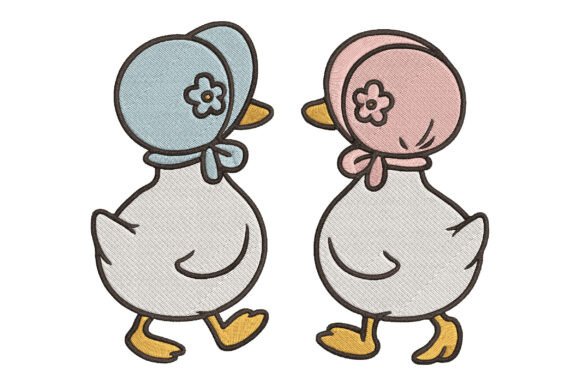
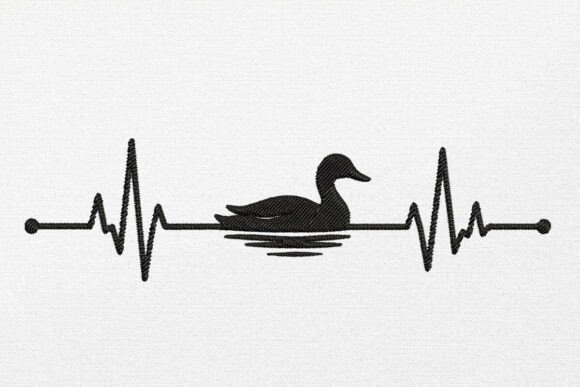
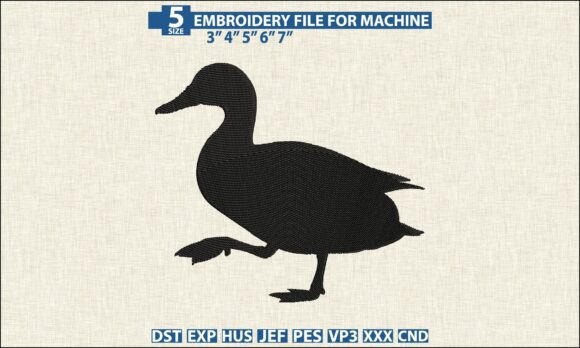
The initial visual assessment of Walking Duck Animal Embroidery suggests a silhouette that balances simplicity with character. For brands aiming for a rustic, nature-themed aesthetic, this design hits the mark immediately. It feels friendly yet bold enough to serve as a primary logo or a significant accent piece. The silhouette style implies a clean look that translates well across various mediums, avoiding the cluttered appearance that often plagues detailed animal designs.
In the context of brand identity, this design offers a distinct personality. It signals an appreciation for the outdoors, hunting culture, or simply a love for wildlife. For a boutique selling handmade goods, a local café, or a pet brand, this motif creates an immediate emotional connection with customers who value authenticity. However, the "silhouette" aspect requires careful consideration regarding thread colors and contrast to ensure the shape remains crisp and recognizable.
Real-World Application for Small Business Merch
The true test of any machine embroidery design lies in its versatility. I have analyzed how Walking Duck Animal Embroidery performs when applied to common small business merchandise. Its clean lines make it an excellent candidate for embroidered patches. A patch featuring this duck could be sewn onto the back of denim jackets, the flap of canvas bags, or even the cuff of a work shirt, adding a touch of artisanal flair without overwhelming the garment.
For apparel decorators and uniform makers, this design shines on aprons and work shirts. Imagine a bakery or a florist using this as a chest logo accent. The walking posture of the duck adds a dynamic element that feels less static than a standing figure, making it perfect for staff uniforms where movement is constant. Similarly, for cap embroidery, the horizontal orientation of the silhouette fits naturally on the curved front panel, offering a subtle nod to nature that appeals to outdoor enthusiasts.
Tote bag designs are another area where this asset excels. As a tote bag design, it serves as a functional marketing tool. Customers carrying a bag with this charming waterfowl pattern become walking billboards for your brand. Whether used for event merch, craft business assets, or Etsy branding, the design's clarity ensures it looks premium even on lower-cost fabric blends often used for promotional items.
Strategic Placement and Product Integration
Beyond standard apparel, consider integrating this digital embroidery file into product packaging accents. A small version of the duck on a hang tag or a sticker on a box adds a cohesive touch to the unboxing experience. For product designers creating branded add-ons, this design can act as a signature element that ties together diverse product lines. If you are selling handmade products, the rustic vibe of the duck reinforces the idea of craftsmanship and care in production.
Critical Considerations for Production Quality
While the potential is high, an experienced designer knows that pitfalls exist. There are specific scenarios where Walking Duck Animal Embroidery requires caution. One major concern is small patch sizes. If the design is scaled down too aggressively, the definition of the duck's legs and beak may be lost, resulting in a muddy blob rather than a sharp silhouette. Always check if the design works at the intended minimum size before committing to a bulk order.
Curved surfaces like cap fronts demand precise digitizing. If the stitch direction does not follow the curvature of the hat, the fabric may pucker, distorting the image. Additionally, high stitch density can be an issue if the file is not optimized for lightweight fabrics. On textured materials, such as heavy wool or coarse canvas, the design might get lost in the weave unless proper stabilizers are used.
Dark uniforms present a specific challenge. Silhouettes rely heavily on contrast. If you are embroidering this on a black or navy shirt, the thread color choice becomes critical. A dark grey duck on a black shirt will fail to convey the necessary visual impact. You must review thread color contrast carefully to ensure the design pops against the background fabric.
Impact on Brand Identity and Customer Trust
High-quality embroidery elevates product value significantly. A well-executed embroidered patch or logo communicates professionalism and durability. When customers see that you invest in quality design assets like Walking Duck Animal Embroidery, they perceive your brand as trustworthy and established. It suggests that you care about the details, which fosters deeper buyer engagement.
Visual consistency is key to building a recognizable brand. Using a cohesive design language across all touchpoints—from caps to tote bags to apron embroidery—creates a unified brand story. This design, with its nature-inspired theme, helps establish a niche identity that resonates with specific demographics. It transforms a generic item into a branded artifact that customers want to keep and wear.
Essential Designer Notes for Commercial Use
Before deploying this design in a commercial setting, there are several technical steps that cannot be skipped. First, test the design in black and white first to evaluate the structural integrity of the silhouette without the distraction of color. This helps identify any weak points in the stitching path.
You must inspect spacing and confirm hoop size compatibility. A design that fits perfectly in a 4x4 hoop might require a larger hoop for optimal tension on a jacket sleeve. Always test on real fabric rather than relying solely on a printable mockup. Fabric texture varies wildly, and what looks good on paper may behave differently on linen versus cotton.
Using the proper stabilizer is non-negotiable for maintaining the shape of the duck. Without adequate backing, the design may shrink or warp during washing. Furthermore, create a mockup for client approval to ensure the vision aligns with expectations. Compare it beside other design assets to ensure it matches the weight and style of your existing collection.
Finally, confirm commercial licensing before business use. Just because a file is available for purchase does not automatically grant rights for mass production or resale of branded goods. Verify the terms to avoid legal complications. By following these rigorous checks, you ensure that Walking Duck Animal Embroidery delivers the professional results your small business deserves.
In conclusion, this design offers a versatile and charming option for those looking to add a touch of the outdoors to their merchandise. With careful planning and attention to technical details, it can become a staple in your catalog of design assets, helping you build a brand that stands out in the crowded market of handmade and custom products.