Duck Heartbeat Embroidery Design Review
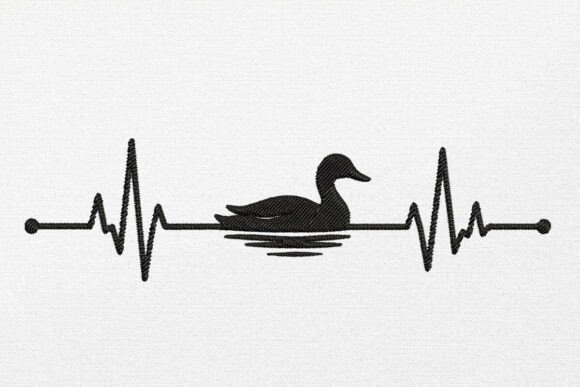
When I first opened the file for the Duck Heartbeat Embroidery Design, my immediate reaction wasn't about the technical specs, but the mood it set. It feels quiet, intentional, and surprisingly modern. We often see designs that scream for attention with loud colors or complex shading, but this one whispers. The minimalist style using elegant wildflowers creates a soft, organic frame around the central theme. As someone who reviews files daily for client work and my own Etsy shop, I appreciate when a design respects the fabric rather than fighting it.
This isn't just a graphic; it is a machine embroidery design built for people who value clean lines and thoughtful composition. Whether you are a hobbyist making a gift or a small business owner scaling your production, understanding how this design translates from screen to stitch is crucial. Let's walk through how this piece performs in the real world.
The First Stitch: Visual Impact and Mood
The layout of the Duck Heartbeat Embroidery Design strikes a balance between whimsy and sophistication. The inclusion of wildflowers suggests a connection to nature, while the heartbeat motif adds an emotional layer. It feels perfect for projects that need to convey care without being overly sentimental. The line art style implies that the design relies heavily on the quality of the thread and the precision of the machine.
In terms of visual personality, this design leans towards "modern cottagecore" or "minimalist botanical." It works exceptionally well as a standalone statement piece. Unlike dense fill-stitch logos that can feel heavy on the chest of a t-shirt, this design breathes. It allows the texture of the fabric to show through, which is a hallmark of high-quality handmade products. When I imagine this stitched onto a cream-colored linen tote bag, the wildflowers pop subtly against the weave, creating a tactile experience that digital prints simply cannot replicate.
Real-World Application: From Scrap to Shop
I recently tested this design concept on a custom order for a boutique client who needed personalized baby items. They wanted something unique for a nursery wall hanging and a set of burp cloths. The Duck Heartbeat Embroidery Design was a natural fit. The minimal aesthetic meant it wouldn't overwhelm the delicate fabric of the baby clothes, yet it provided enough detail to look professional and expensive.
For commercial use, consider how this fits into a broader product line. If you sell custom apparel, this design could serve as a signature mark on the hem of a sweatshirt or the pocket of a denim jacket. It is versatile enough for sweatshirt embroidery where a large, blocky logo might look out of place. For tote bag design, the vertical orientation of many heart-beat motifs usually works beautifully down the side of a canvas bag.
Imagine a holiday collection. This design has the potential to be a standout item for Christmas or Valentine's Day gifts. The combination of nature and life (the heartbeat) makes it universally appealing. It transforms a standard embroidery project into a meaningful personalized gift. Customers buying from an Etsy seller or a small shop product line are looking for uniqueness; they want to know that the item was made with thought. This design delivers that sentiment immediately.
Technical Performance and Fabric Considerations
While the visual appeal is strong, practical execution depends on the materials. The description highlights a minimalist style, which often means a mix of running stitch for the flower outlines and perhaps some satin stitch for the heart shape. This variation in stitch types requires careful setup.
If you are planning to use this on a stretchy fabric like a jersey knit cap or a fitted onesie, you must ensure you have adequate stabilizer. Minimalist designs can sometimes pucker if the fabric isn't supported correctly during stitching. The thin lines of the wildflowers are particularly sensitive to tension issues. A slight shift in the hoop can blur the delicate petals, ruining the clean look.
Conversely, this design shines on stable, textured fabrics. Think of a sturdy cotton apron, a thick wool pillow cover, or a canvas embroidered patch. These surfaces hold the definition of the lines beautifully. However, there are areas where caution is needed. On dark fabrics, the contrast might be lost unless you select thread colors specifically chosen for high visibility. A light blue or pale yellow thread on black fabric might not render the intended elegance.
Also, be mindful of the hoop size. If you attempt to stitch this in a very small hoop, such as those used for cufflinks or tiny accessories, the details of the flowers might get lost or become too dense. Always verify the recommended dimensions before committing to a final product.
Building Trust and Brand Value
In the world of craft business and commercial embroidery, the finish of your product dictates your brand reputation. A sloppy stitch job on a simple design looks like a mistake; a sloppy stitch job on a complex design looks like bad luck. But a perfectly executed simple design? That signals mastery.
Using the Duck Heartbeat Embroidery Design effectively elevates the perceived value of your handmade product. When a customer receives a shirt with this clean, uncluttered embroidery, they associate the quality of the stitching with the quality of the entire brand. It builds trust. It tells them that you pay attention to the details, even the ones that seem small.
For digital product sellers, this design is also a strong asset. You can create printable mockups showing this design on various backgrounds—linen, denim, felt—to help customers visualize the final result. High-quality previews increase conversion rates because buyers can see exactly what they are getting. It reduces the anxiety of purchasing a digital embroidery file online.
Designer Notes for Successful Execution
Before you load this file into your machine for a production run, follow these practical steps to ensure success:
- Test on scrap fabric: Never go straight to the final product. Use a scrap of the exact same material to check how the threads lay and if the fabric puckers.
- Check thread color contrast: The minimalist style relies on clarity. Ensure your thread choice stands out against the background fabric without clashing.
- Review stitch density: Look at the fill stitch areas. If the density is too high, the fabric will become stiff; too low, and the design may look sparse.
- Confirm hoop size: Match the design dimensions to your available hoops to avoid cutting off parts of the artwork.
- Inspect small details: Zoom in on the wildflower petals. Are they too fine to stitch reliably on your specific machine?
- Use proper stabilizer: Depending on the fabric weight, you may need cut-away or tear-away stabilizers to support the design.
- Verify licensing: If you plan to sell finished items featuring this design, confirm that your license allows for commercial use. Do not assume all digital embroidery files come with the same rights.
The Duck Heartbeat Embroidery Design is more than just a pattern; it is a tool for expression. It suits the maker who wants to create something timeless. Whether you are decorating a kitchen towel for a wedding gift or adding a touch of nature to a holiday embroidery collection, this design offers a reliable foundation for creativity.
By treating the design with respect and testing it thoroughly, you can turn a simple digital file into a cherished physical object. It reminds us that good design doesn't always need to be loud to be effective. Sometimes, a quiet heartbeat amidst wildflowers says everything we need to hear.