Minimalist Infinity Loop Embroidery Review
As a professional embroidery designer, I am constantly scanning for designs that bridge the gap between high-end boutique aesthetics and practical production efficiency. When browsing Creative Fabrica embroidery collections, my eyes are always drawn to pieces that offer versatility without sacrificing quality. Recently, I encountered the Minimalist Infinity Loop Embroidery, a design from the Shapes category that immediately caught my attention for its potential in building a cohesive apparel collection. This review breaks down exactly how this digitized file performs when applied to real-world projects like sweatshirts, hoodies, and custom merchandise.
First Impressions: Visual Personality and Stitch Quality
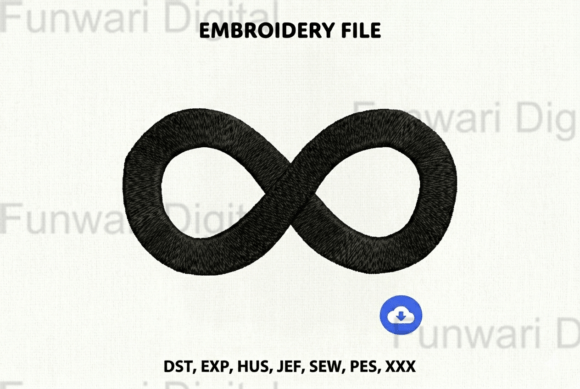
The moment I opened the preview files, the visual personality of the Minimalist Infinity Loop Embroidery stood out. It is not merely a line drawing; it possesses a substantial weight due to its heavy-fill construction. The description notes thick, clean satin stitches, and upon closer inspection, this holds true. The design feels premium yet approachable, striking a balance between bold and minimal. The precise stitch direction mentioned in the product details is crucial; it ensures that the thread catches light beautifully, giving the finished piece a subtle sheen that flat prints simply cannot replicate.
In terms of mood, this design leans heavily into the modern and trendy. It feels feminine but gender-neutral enough for unisex streetwear. The infinity symbol is inherently symbolic of continuity and connection, making it an excellent choice for lifestyle brands or businesses focusing on community. Unlike many dense shapes that can feel heavy-handed, this loop maintains a clean silhouette. It avoids the clutter often found in complex embroidery files, which is essential for creating a polished look on smaller garment areas like chest placements or sleeve cuffs.
Performance on Apparel and Textile Projects
I have been planning a new collection of neutral sweatshirts and pastel hoodies for my online shop, and I believe the Minimalist Infinity Loop Embroidery fits perfectly into this lineup. The heavy-fill nature of the design provides excellent coverage, which is a major advantage when working with fleece or textured fabrics. On a charcoal grey hoodie, for instance, a white or cream thread version would pop with high contrast while maintaining a soft, tactile finish.
This machine embroidery design is also incredibly versatile regarding placement. While I primarily see it as a chest logo for sweatshirts, the symmetry of the loop makes it ideal for sleeve accents or even centered back designs for oversized garments. For denim jackets, the sturdy stitching will stand up well against the rugged texture of the fabric. I also envision using this for tote bags, where the durability of the satin stitches ensures the design lasts through repeated washing and carrying.
For Etsy sellers and digital sellers looking to create printable mockups, the clean lines of this design translate exceptionally well. It creates a professional presentation that elevates the perceived value of the finished product. When customers see high-quality embroidery on social media graphics, it builds immediate trust and recognition for the brand. A simple infinity loop can become a signature element, helping buyers identify your products instantly among competitors.
Strategic Considerations and Fabric Challenges
While the Minimalist Infinity Loop Embroidery is robust, there are specific scenarios where caution is required. As an experienced designer, I know that not every surface is created equal. If you plan to place this design on small chest areas, ensure the hoop size accommodates the density of the fill without distorting the fabric. Dense stitch areas on stretchy fabrics, such as lightweight jersey t-shirts, can sometimes cause puckering if the stabilizer choice is incorrect.
Fleece and ribbed fabric present their own challenges. Because the design features thick stitches, it requires a stable base. Using a cut-away stabilizer is often recommended for knitwear to prevent the design from pulling or warping over time. Additionally, be mindful of curved surfaces. While the loop shape is flexible, placing it on highly contoured areas like the shoulder seam of a fitted tee might result in uneven tension if the machine cannot compensate for the curve.
Dark garments require careful thread color selection. The heavy fill means the underlying fabric color will show through if the top thread coverage isn't sufficient. I recommend testing a double-layer approach or selecting a thread weight that matches the density of the digitization. Tiny lettering is not part of this specific design, which is fortunate, as adding text to a dense shape can sometimes lead to overcrowding. However, the simplicity of the loop itself allows for plenty of breathing room around the edges.
Practical Designer Notes for Production
Before committing to a full production run, there are several technical steps every embroidery designer should take. First, always test on scrap fabric that mimics the final garment material. This helps you gauge the stitch density and adjust the tension if necessary. Review the thread color contrast on the actual fabric under lighting conditions similar to your intended display environment.
Confirming the hoop size is another critical step. Ensure your machine can handle the dimensions of the design without excessive trimming or re-hooping. Inspect the stitch density visually; while the product description promises minimal jump stitches, seeing the file in your software allows you to verify that the transitions are smooth and efficient. Compare placement options by marking the garment before stitching to ensure the design sits correctly relative to seams and hems.
Finally, always check the Creative Fabrica product details and licensing agreement before selling finished apparel. Understanding the commercial embroidery rights is essential for protecting your business. Verify if the file format is compatible with your specific embroidery machine and software. While the description highlights that it runs flawlessly, confirming compatibility with your specific hardware setup prevents costly errors during production.
Elevating Your Brand Identity
Investing in high-quality digitized files like the Minimalist Infinity Loop Embroidery directly impacts your brand identity. In the world of handmade products and small shop products, the difference between a printed graphic and a stitched design is often the deciding factor for a customer's purchase decision. Embroidery conveys durability, craftsmanship, and care.
When you use a design with precise stitch direction and heavy fill, you signal to your audience that you care about the details. This visual consistency across different items—whether it is a hoodie, a tote bag, or a denim jacket—creates a unified brand experience. Customers are more likely to engage with a brand that presents a professional image, leading to higher retention rates and word-of-mouth referrals.
Ultimately, the Minimalist Infinity Loop Embroidery offers a powerful tool for creative entrepreneurs. Its ability to adapt to various textile textures while maintaining a clean, modern aesthetic makes it a staple for any boutique brand. Whether you are designing for cozy seasonal outfits or year-round streetwear, this digital embroidery file provides the foundation for a successful product line. By following proper testing protocols and understanding the nuances of fabric interaction, you can transform a simple shape into a signature element that defines your collection.