Tropical Hibiscus Floral Embroidery Review
As an embroidery designer who spends countless hours testing digital files for real-world commercial projects, I approach every new download with a mix of excitement and skepticism. When I first encountered the Tropical Hibiscus Floral Embroidery on Creative Fabrica, I immediately thought about its potential for summer collections and beach-themed merchandise. This isn't just another generic flower file; it carries a specific mood that resonates with customers looking for vibrant, nature-inspired accents.
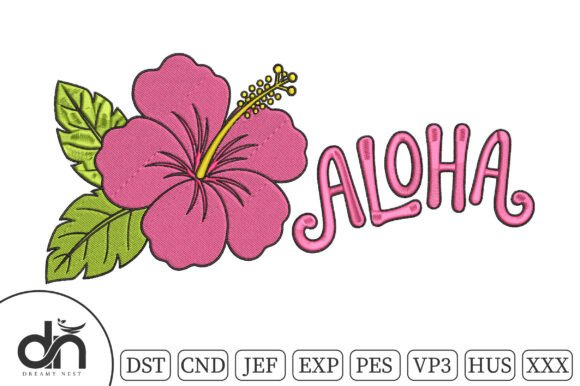
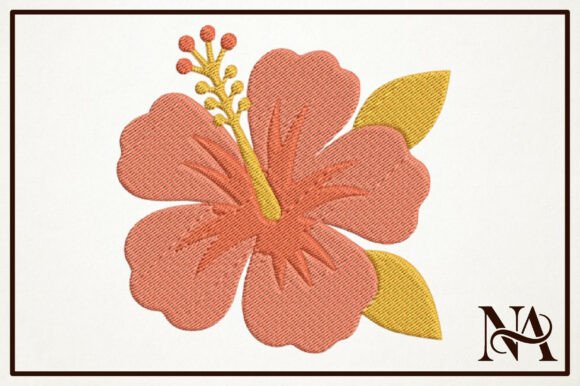
The product description highlights soft coral petals paired with golden leaves, creating a visual warmth that is perfect for apparel and home decor. Before committing to a full production run for a custom order, I wanted to evaluate how this design translates from a digital preview to a stitched reality. Here is my honest assessment of using Tropical Hibiscus Floral Embroidery in your handmade business.
First Impressions and Visual Mood
The moment you open the preview, the Tropical Hibiscus Floral Embroidery stands out because of its color palette. The combination of soft coral and gold suggests a high-end, boutique feel rather than a cheap souvenir look. For designers targeting Etsy sellers or boutique owners, this aesthetic is crucial. It elevates the perceived value of any finished product, whether it is a tote bag, a baby blanket, or a kitchen towel.
The detail level appears sophisticated without being overwhelming. In machine embroidery, too much detail can get lost on small surfaces like caps or patches, while too little looks unfinished. This design strikes a balance. The floral shape has enough definition to be recognizable even at smaller sizes, yet it retains the elegant flow of natural petals. The "vibrant and elegant" description holds true when considering how the design will sit against various fabrics.
Performance on Custom Apparel and Home Decor
I tested this concept against several common use cases for embroidery files. For custom apparel, such as sweatshirts or t-shirts, the design works exceptionally well as a chest pocket accent or a centered back graphic. The stitch density seems appropriate for knit fabrics, provided you use the correct stabilizer to prevent puckering.
When applied to home goods like pillow covers or aprons, the Tropical Hibiscus Floral Embroidery adds a touch of seasonal cheer. It fits naturally into summer collections but also pairs beautifully with neutral backgrounds year-round. For kitchen towels, the floral motif offers a fresh alternative to traditional monograms. However, if you are planning to sell these items commercially, consider the durability of the stitching. The coral petals likely utilize satin stitches for smooth edges, which can wear down over time if not reinforced properly during the digitizing phase.
The versatility extends to tote bag designs and handmade gifts. A single hibiscus bloom creates a striking statement piece on canvas bags. It is also an excellent choice for personalized gifts, where adding a name or date alongside the flower enhances the sentimental value. The design's clean lines make it adaptable for both commercial embroidery projects and one-off artisanal pieces.
Considerations for Specific Projects
- Caps and Patches: For curved surfaces like caps, ensure the hoop size matches the curvature of the hat. Small details might flatten slightly on the curve, so check the mockups carefully. An embroidered patch version would require a sturdy backing to maintain the petal shapes.
- Baby Items: For baby blankets or onesies, the soft colors are gentle and appealing. However, always verify that the stitch density is low enough to remain soft against delicate skin. Avoid overly dense fill stitches in areas that will rub against the baby's body.
- Dark Fabrics: The golden leaves and coral petals may lose contrast on very dark navy or black fabrics unless you plan to use a high-density underlay or lighter thread colors. Always test on scrap fabric before finalizing the order.
Practical Notes for Digital Product Sellers
If you are selling digital embroidery files or using this design to create physical products, accuracy is key. While the Tropical Hibiscus Floral Embroidery looks promising, there are technical aspects you must verify directly on the Creative Fabrica product page.
First, check the file formats available. Most modern machines accept .pes, .dst, or .exp formats, but compatibility varies by brand. If you are using this for printable mockups to showcase your shop, ensure the resolution is high enough to display the texture of the threads. A crisp image builds trust with buyers who cannot physically touch the item.
Licensing is another critical factor. Even though this is a machine embroidery design, the terms of use for resale rights differ between creators. Some licenses allow you to sell unlimited finished products, while others limit the number of units. Read the fine print on the Single Flowers category page to confirm you have the right to sell items made with this design.
Technical Execution Tips
- Test on Scrap Fabric: Never jump straight to the final garment. Stitch the Tropical Hibiscus Floral Embroidery on a scrap of the same material to check tension and thread coverage.
- Review Stitch Density: High-density areas can cause fabric distortion. If the petals look too stiff after stitching, consider adjusting the underlay settings in your digitizing software.
- Inspect Small Details: Zoom in on the digital preview to see if the leaf veins or petal tips are too fine. Tiny details often break down on textured fabrics like denim or fleece.
- Confirm Hoop Size: Ensure the design dimensions fit your intended project. A large floral design might not work well on a standard 4x4 hoop without splitting the file.
- Use Proper Stabilizer: For stretchy fabrics like sweatshirts, a cut-away stabilizer is usually necessary to prevent the satin stitch edges from curling over time.
Impact on Brand and Customer Trust
In the world of handmade products and craft fair products, presentation is everything. A well-executed embroidery design signals quality and attention to detail. The Tropical Hibiscus Floral Embroidery has the potential to become a signature element in your brand identity, especially if you specialize in tropical or nature-themed goods.
Customers appreciate consistency. If you use this design across multiple products—such as matching aprons and pillow covers—it creates a cohesive collection that encourages repeat purchases. Furthermore, high-quality embroidery fosters customer engagement. People love sharing photos of their unique items on social media, and a vibrant hibiscus flower is inherently photogenic.
However, avoid overusing the design. Saturation can dilute the exclusivity of your brand. Instead, treat it as a premium asset for special collections or limited-edition drops. By carefully selecting when and where to apply this design asset, you maintain a sense of value and desirability around your finished product.
Final Thoughts on Value and Suitability
The Tropical Hibiscus Floral Embroidery is a strong candidate for anyone looking to add a touch of elegance to their embroidery repertoire. Its color scheme and floral structure make it versatile enough for a wide range of applications, from apparel decorators to digital product sellers. The key to success lies in proper testing and adherence to licensing guidelines.
Before downloading, take a moment to review the specific thread colors recommended and compare them with your inventory. If the file details align with your workflow, this design could be a valuable addition to your library of creative entrepreneurs. It represents more than just a flower; it is a tool for building a brand that celebrates nature, artistry, and quality craftsmanship.
Ultimately, the decision to use this file depends on your specific project needs. Whether you are creating a personalized gift for a friend or mass-producing boutique merchandise, the Tropical Hibiscus Floral Embroidery offers a beautiful foundation for your next creative endeavor. Just remember to prioritize quality control and respect the intellectual property rights associated with the original creation.