Mountain Embroidery Design Review for Real Projects
When I first opened the files for the Mountain Embroidery Design, my immediate thought wasn't about the technical specs, but rather the mood it evoked. There is a quiet confidence in how this piece is constructed. It doesn't scream for attention with excessive detail; instead, it offers a clean, recognizable silhouette that feels right at home in a forest setting or as a rugged accent on everyday gear. As someone who has stitched thousands of designs for clients ranging from boutique owners to hobbyists, I know that a design's true value lies not just in its digital preview, but in how it translates to thread and fabric.
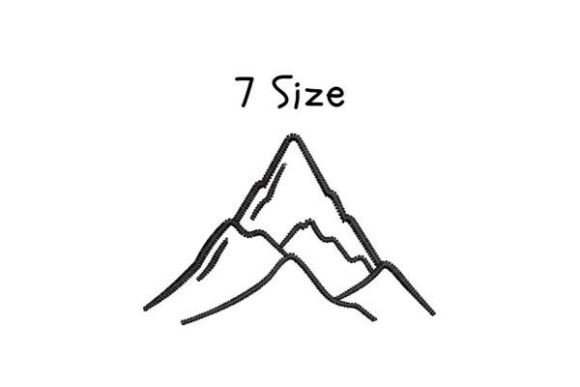
This review focuses on what happens when you take this file out of your computer screen and put it under the needle. We are looking at real-world application: custom apparel, personalized gifts, and small business merchandise where the finish must be flawless. The Mountain Embroidery Design promises versatility across seven sizes, which is a massive plus for creators who need one asset to work on everything from a tiny baby bib to a large tote bag. But does it deliver on that promise?
First Impressions and Visual Personality
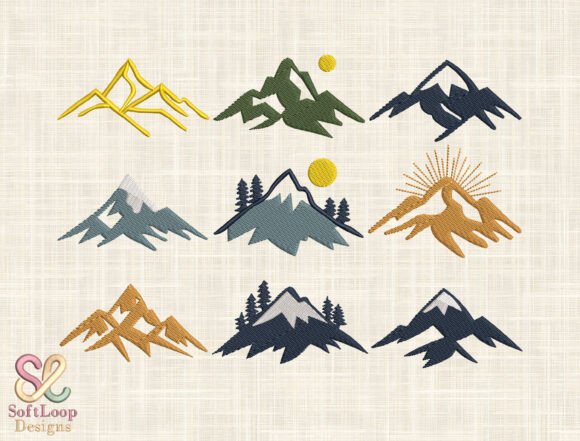
The layout of this design strikes a balance between artistic interpretation and geometric clarity. In the world of machine embroidery, simplicity often wins because it reduces the risk of puckering and thread breaks. This mountain motif captures that principle well. The shapes are bold enough to hold their form even on textured fabrics, yet detailed enough to look professional rather than cartoonish.
I find that this design naturally belongs in projects that celebrate nature, outdoor adventures, or rustic aesthetics. Whether you are an Etsy seller creating shop branding or a crafter making a holiday gift, the visual personality of these peaks suggests stability and calm. It is a design that invites the viewer to imagine a crisp morning air, making it perfect for products intended to evoke a sense of place or memory.
Real-World Application: From Screen to Stitch
Let's talk about the scenarios where this Mountain Embroidery Design truly shines. Imagine you are preparing a batch of custom tote bags for a local craft fair. You need something that looks great on canvas, holds up after washing, and appeals to a broad audience. The scalable nature of this file means you can use the larger size on the front of a heavy-duty tote without losing definition.
Similarly, consider a small business owner launching a line of sweatshirts. A classic mountain graphic is timeless. When embroidered onto a fleece or cotton blend, the fill stitches create a subtle texture that adds depth to the garment. Unlike printed graphics that crack over time, this embroidery file becomes part of the fabric itself. I have seen similar designs used successfully on aprons for kitchen workshops and pillow covers for nursery decor, proving that the shape adapts well to various product categories.
For those selling digital assets or printable mockups, this design is a versatile addition to your portfolio. Clients love seeing how a design looks on different backgrounds. Because the lines are distinct, it works beautifully in black and white mockups to show structure before color is even applied. It serves as a strong foundation for commercial embroidery projects where brand consistency is key.
Navigating Challenges and Limitations
However, no single design is a magic bullet for every situation. As an experienced reviewer, I need to point out where caution is required. If you plan to use this Mountain Embroidery Design on a curved surface like a cap or a fitted hat, you will need to be strategic. While the seven sizes offer flexibility, smaller hoops on curved surfaces can sometimes distort the geometry if the stabilization isn't perfect.
Textured fabrics present another hurdle. Thick materials like denim or heavy wool can hide fine details, so you might want to stick to the medium or large sizes to ensure the peaks remain visible. Conversely, on thin or stretchy fabrics like lightweight t-shirts or jersey knits, the density of the stitches could cause puckering if you do not use a high-quality stabilizer. The product description emphasizes proper stabilization, and I cannot stress this enough: skipping this step will ruin the flat finish you are aiming for.
Dense stitch areas are also worth noting. If your design includes intricate inner details, they may become lost on dark fabrics unless you choose contrasting thread colors carefully. Always test the contrast before committing to a full production run. For items that require frequent washing, such as kitchen towels or baby clothes, ensure the design does not have loose threads that could snag. The structural integrity of the satin stitch and fill stitch combinations here is generally good, but testing on scrap fabric is non-negotiable.
Impact on Product Value and Brand Trust
There is a direct correlation between the quality of your embroidery and the perceived value of your finished product. Customers associate neat, precise stitching with professionalism. When a buyer sees a Mountain Embroidery Design that sits flat and crisp on a handmade product, it builds trust. It signals that you care about the details, which is crucial for small shop products and boutique branding.
A well-executed embroidered patch or a personalized gift featuring this design can command a higher price point than a printed alternative. The tactile nature of thread adds a layer of luxury that mass-produced items often lack. For creative entrepreneurs, this distinction is vital. It transforms a simple commodity into a keepsake. When designing for holiday gifts or wedding favors, the reliability of this design ensures that your personal touch comes through clearly, enhancing the emotional connection with the recipient.
Practical Designer Notes for Success
Before you start stitching, there are several steps you should take to guarantee success. First, always test the design on scrap fabric that matches your final material. This allows you to check the stitch density and see how the threads interact with the weave of your cloth. Second, review the thread colors. A dark mountain on a dark background might disappear, while a light mountain on a dark background might bleed visually depending on the thread sheen.
Confirm your hoop size relative to the specific size of the design you are using. Even though the file comes in seven sizes, the physical dimensions matter when fitting it into your machine's hoop. Inspect small details closely; sometimes, scaling down too much can make tiny elements difficult to stitch cleanly. Compare your results on both light and dark fabric backgrounds to ensure the design remains legible in all contexts.
Finally, verify your licensing terms. Are you allowed to sell finished items made with this digital embroidery file? Do you need a separate commercial license? These questions are critical for anyone running a craft business. Check the product details thoroughly regarding the embroidery project rights. Ensure you understand whether the file includes formats compatible with your specific machine, although you may need to consult your software for exact compatibility.
In conclusion, the Mountain Embroidery Design is a solid choice for designers and makers who value practicality and aesthetic appeal. It offers a versatile tool for creating everything from tote bag designs to sweatshirt embroidery. By paying attention to stabilization, fabric selection, and thread choices, you can leverage this design to create high-quality, marketable products that stand out in a crowded marketplace. It is a reliable asset for any collection of design assets, ready to help you bring your creative vision to life.